Well operations: ensuring the safety of work-over and well decommissioning projects through integrated expertise
Interview with Faustin Djiadeu, work-over Engineer at Storengy
Question: Why are well operations particularly challenging for operators?
F.D.: Well operations are central not only to the operate the assets but also to their end-of-life management. These operations meet high standards in terms of safety, performance and regulatory compliance.
Question: At what stage does an expert such as Storengy become involved in this type of project?
F.D.: We become involved at various stages of the well lifecycle, depending on requirements. We provide experienced engineering expertise to support the operator in their well operations, both during strategic planning phases and in the management of operations.
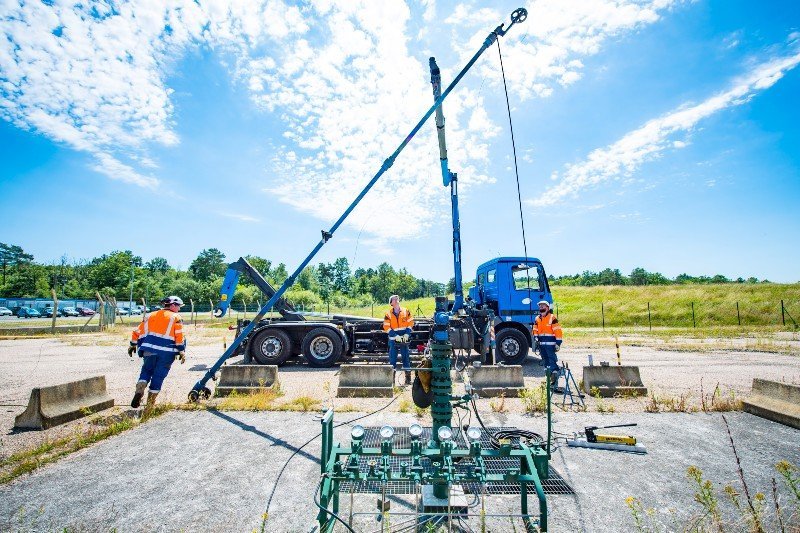
Question: What types of services does Storengy currently offer in relation to work-over and well decommissioning operations?
F.D.: Our services generally cover two main, complementary areas: support for the management of work-over operations, notably through project management support (aMOA), the development of well decommissioning strategies.
The aim is to provide a structured framework and proven expertise to ensure the safety of operations, from their preparation through to their execution.
Question: What is the benefit of project management support (aMOA) for work-over operations?
F.D.: Project management support helps to structure the operations management, monitor their smooth running and anticipate unexpected contingency. It is a key support for coordinating stakeholders and ensuring sound decision-making throughout the operation.
Question: What is involved in defining a well decommissioning strategy?
F.D.: It involves defining a comprehensive closure strategy, taking into account: the technical constraints of the well, regulatory requirements and the optimal operations organization. This stage is essential to ensure the long-term safety of the facilities.
Question: How does this type of assignment fit into a partnership approach?
F.D.: This type of support is generally long-term. Rather than a one-off assignment, it involves building a relationship of trust, based on the quality of the expertise provided and the ability to respond to changing needs.
Question: How does this example illustrate Storengy’s service offering?
F.D.: It illustrates our ability to support critical well-related operations by combining technical expertise, regulatory knowledge and operational support. We are thus able to support our clients in the design, management and safety of their operations.